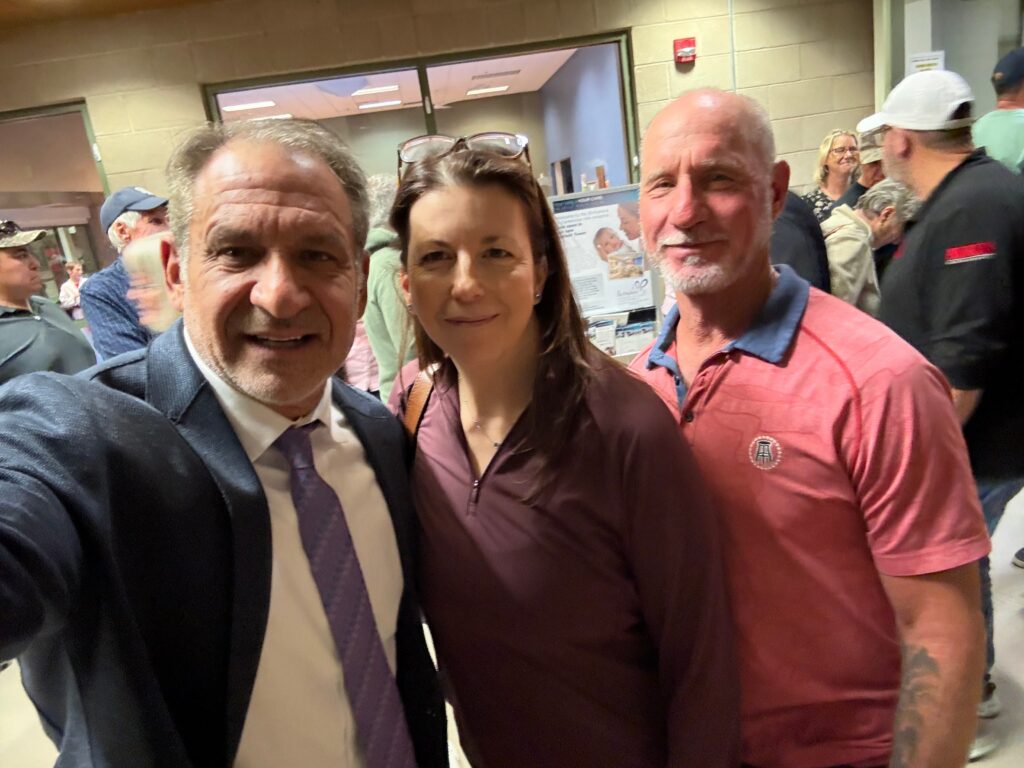
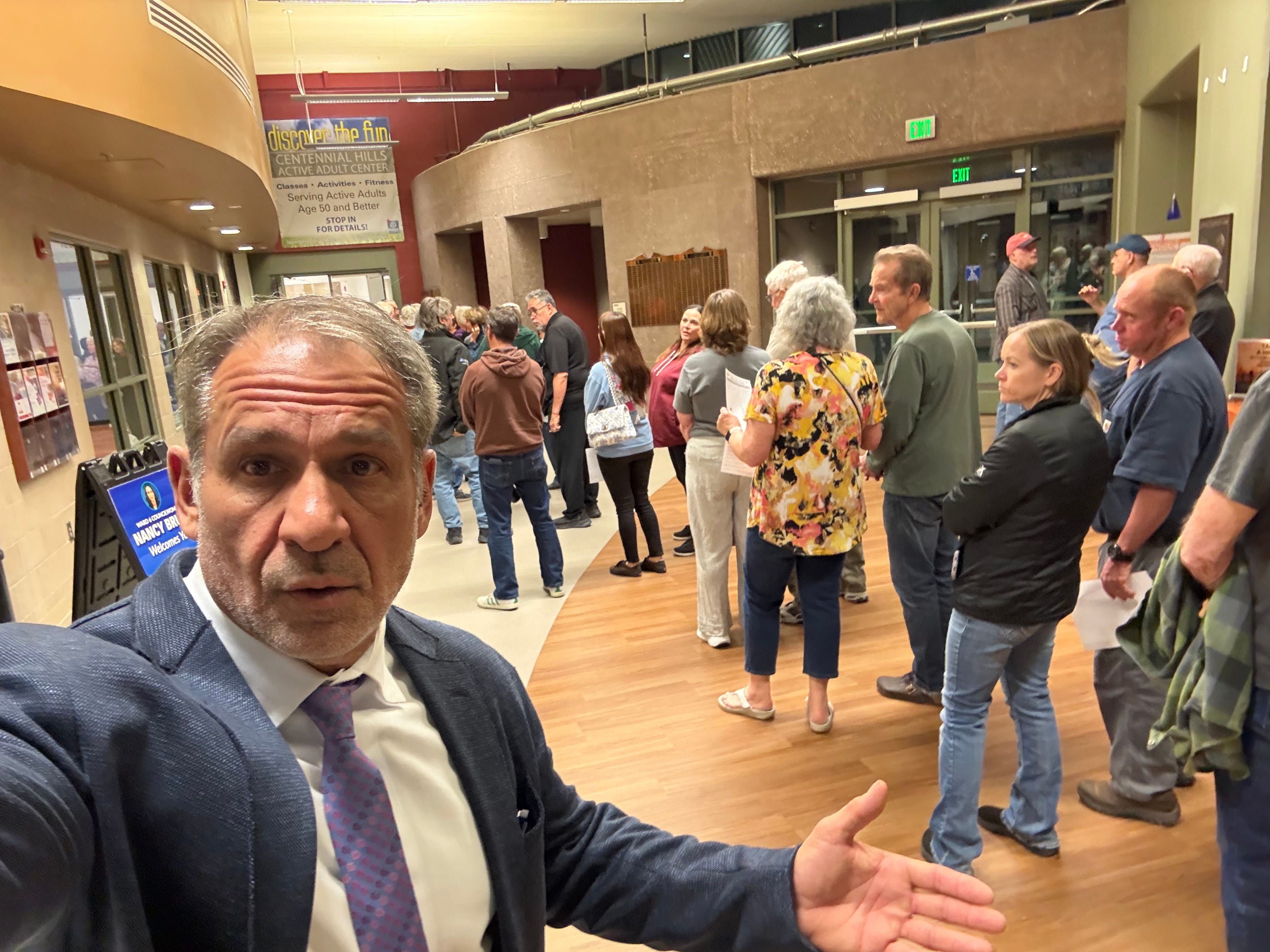
Over the past several weeks, I have been actively investigating new state and local actions that affect Ward 6 residents who rely on septic systems. My attention was first drawn to the issue after more than 500 homeowners attended a recent Southern Nevada Health District meeting to express concerns about proposed septic regulations. When hundreds of residents take time out of their lives to attend a government meeting, it signals something important. Families are worried about rising costs, government overreach, and a lack of clear communication about rules that could directly affect their homes.
After hearing those concerns, I began looking closely at the laws, proposals, and agencies involved. What I discovered is a complicated set of policies unfolding across several levels of government, each with the potential to affect local homeowners.
In 2023, the Nevada Legislature passed Assembly Bill 220, a law related to septic systems located near municipal sewer infrastructure. In simple terms, the law requires that septic systems located within 400 feet of an existing community sewer system eventually connect to that sewer. The law establishes a long compliance timeline that extends to January 1, 2054. It also requires periodic review of septic permits to determine whether a property is now within proximity to sewer infrastructure and authorizes local authorities to enforce connection requirements when those conditions are met. Although this legislation was passed at the state level, it has direct implications for many homeowners in Ward 6.
At the same time, the Southern Nevada Health District is proposing updates to local septic regulations that would affect how systems are permitted and monitored. The proposed rules would require operating permits for septic systems to be renewed every five years for newly installed or modified systems. The rules would also require inspections tied to permit issuance or renewal and would clarify enforcement procedures if sewer connections become required. In addition, the Health District is updating administrative rules governing the installation and maintenance of septic systems.
The stated purpose of these proposed changes is to protect groundwater and public health. Those goals are important and widely shared. However, many homeowners who attended the recent meeting raised serious concerns about the potential costs and administrative burdens that could result from these changes. Residents expressed worries about inspection fees, the possibility of expensive sewer connection requirements, and the absence of clear financial assistance programs that could help homeowners manage those costs.
Looking at the issue as a whole, the broader concern is the layering of regulations across multiple levels of government. The state legislature has passed new policies affecting septic systems. County government manages long term water policy and infrastructure planning. Now the Health District is proposing additional permitting and inspection requirements. Each agency may be acting with the intention of protecting public health and managing water resources responsibly, but for homeowners the result can feel like multiple layers of government regulation developing at the same time.
The strong turnout at the Health District meeting reflects that concern. When more than 500 residents show up to speak about a policy issue, it is clear that families want their voices heard and their concerns taken seriously.
This situation also highlights why leadership and coordination matter. Ward 6 deserves a City Council member who understands state law, maintains relationships in Carson City, and can work directly with county officials and regional agencies. Issues like septic regulation and sewer infrastructure do not fall neatly within one level of government. They require cooperation across the state legislature, county government, local municipalities, and public health authorities.
As part of my investigation into this issue, I spoke with leaders across several levels of government. I have longstanding relationships with Assembly members and State Senators in our legislature. I also have a long working relationship with County Commissioners, particularly Commissioner Marilyn Kirkpatrick, who helped bring me up to speed on several aspects of the issue. I also had a constructive conversation with Scott Black, who chairs the Health District Board, and with Assemblywoman Lisa Cole, who represents parts of the northwest valley. Conversations like these are important because solving complex policy problems requires communication and coordination between the people making decisions.
My position on this issue is straightforward. I support protecting our groundwater and I support responsible infrastructure planning for the future of Southern Nevada. At the same time, government has a responsibility to protect homeowners from sudden and unaffordable mandates. If sewer connections eventually become necessary in certain areas, there must be funding mechanisms that help homeowners afford those transitions. Any implementation should be phased carefully and communicated clearly so that families are not surprised by costly requirements.
This issue is not about opposing public health protections. It is about ensuring that middle class families are not burdened with expensive infrastructure mandates without transparency, planning, and financial support.
Important decisions about septic regulation and sewer policy are being discussed right now. The Southern Nevada District Board of Health will conduct a special meeting on March 11 after recent public feedback from homeowners with septic systems. The board will meet to consider and approve a recommendation to withdraw the proposed changes presented last week.
The meeting is scheduled on Wednesday, March 11, at 9 a.m. at the Southern Nevada Health District’s building, 280 2. Decatur Blvd and I’ll be there! Ward 6 residents deserve representation in those conversations and leadership that is present before rules are finalized, not after.
References:
- https://davemarlon.substack.com/p/protecting-ward-6-homeowners-my-investigation