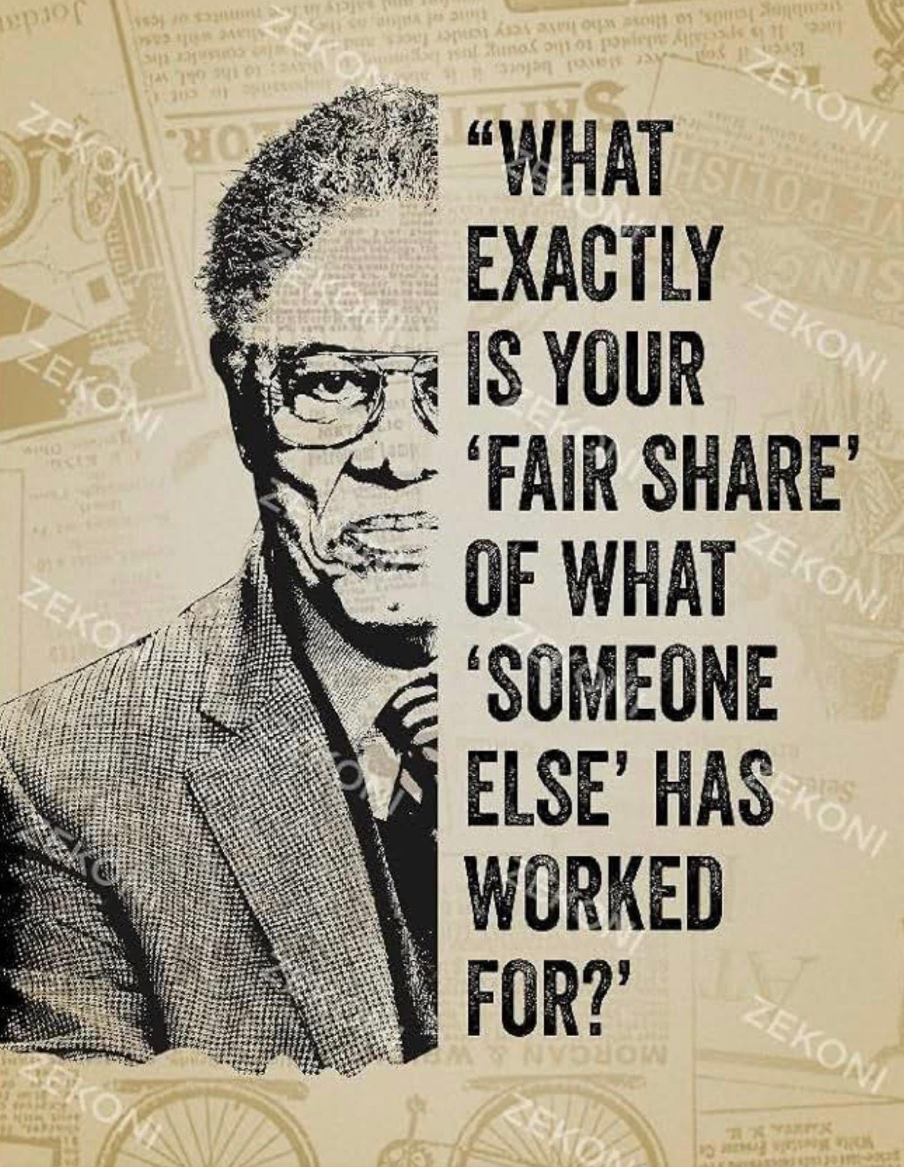
I was brought up to believe in the American Dream: a firm belief that education, hard work, and ingenuity were the keys to a successful life. That formula worked for me, as it has for many others, and I was able to do well for myself and take care of my family by abiding by this mentality.
As a young CEO, my frame of reference was clear: unions made things harder for corporations. I remembered stories from the 1980s of certain union leaders siphoning off money from welfare funds. In my mind, those actions were bad.
But forty years have gone by. Transparency requirements, GAAP standards, and stronger enforcement have squeezed most of the corruption out of organized labor. And unions themselves have evolved. Their apprenticeship programs are now a pillar of workforce development. In Las Vegas, employee unions are not just a political force — they’re a key player in the economic ecosystem.
Now, a far greater force is coming. Just as Ford’s assembly line revolutionized American manufacturing, Artificial Intelligence is bringing a paradigm shift of even greater proportions. This shift will reshape industries, displace certain jobs, and create entirely new ones. But it will also test our ability to ensure prosperity is shared — not concentrated in the hands of a few tech and capital owners.
That’s where unions come back into the picture. In the AI economy, strong, modern unions can be one of the keystones for raising the standard of living more broadly — ensuring that workers have both bargaining power and pathways to reskilling.
But that’s only half the equation. The other half is tax reform. Wealth can move across borders in seconds, creating a real challenge for policymakers. We know that the people with the highest revenue pay significantly lower effective rates. The inequities are glaring.
Our tax code must be modernized to meet the challenges of a rapidly changing economy. With the AI boom on the horizon, the risk of widening inequality is real, and regressive taxes will only make the gap worse. A progressive, balanced tax structure is essential to ensure that this new wave of innovation lifts all Americans—not just a select few. By strengthening fairness in our tax system, we can promote shared prosperity and build a more resilient future.
If we want an America where hard work and ingenuity still pay off for the many, not just the few, we need two big changes:
- Strengthen unions — so workers have real leverage in shaping wages, benefits, and training in the AI era.
- End regressive taxation — so those who benefit most from our system contribute proportionately to sustaining it.
The American Dream worked for me. The question now is whether we’ll adapt our institutions — unions and tax policy included — so it can work for the next generation in an age of intelligent machines.