In 2019, I ran for Las Vegas City Council and lost in the primary by 132 votes. It was close enough to sting, but far enough to lose decisively. At the time, the loss felt sharp and immediate, the kind that lingers longer than you expect. But as the years have passed, I’ve come to see that the outcome of that race mattered far less than what it gave me in return.
That campaign expanded my perspective in ways I didn’t anticipate. It deepened my understanding of a city I’ve long cared about, but more importantly, it connected me to people whose lives intersected with mine in real and lasting ways. Campaigning has a way of stripping away abstraction. You stop thinking in terms of “voters” or “constituents” and start seeing individuals, each with their own story, struggles, and hopes. During that time, I was able to help several people get clean and sober. That alone made the effort worthwhile. I also formed friendships that continue to this day, including one with Rabbi Levi Harlig, whom I met on the campaign trail and who became a genuine and lasting presence in my life. That’s the side of politics you rarely see, the human side that exists beyond headlines and talking points.
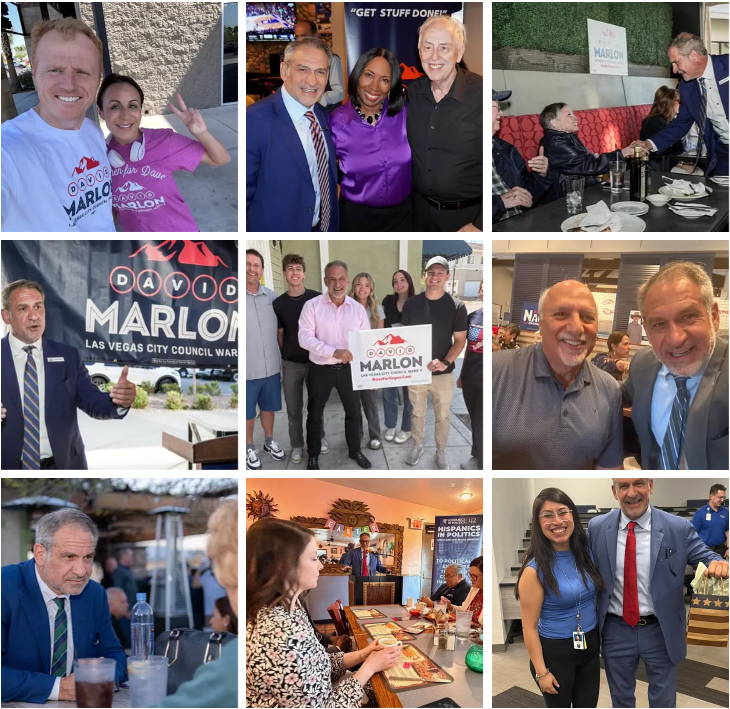
Now, in 2026, I’m running again, this time in Ward 6. The difference between this campaign and my first is striking. In 2019, everything felt compressed, urgent, and fast-moving, like a sprint where every decision had to be made on the fly. This time, the experience has been more like a marathon, and at times even a slog, but one I’ve come to appreciate. The longer runway has allowed me to engage more deeply with the community. I’ve knocked on thousands of doors, hosted more than a dozen events, and spent countless hours sitting with residents, listening not just to respond, but to understand. I’ve attended Health District meetings, development discussions, Chamber of Commerce gatherings, developers, HOA’s and municipal sessions, gaining a clearer view of how city, county, state, and federal systems overlap and interact.
That kind of exposure changes you. It slows you down in the right ways. It forces you to listen more than you speak, and to sit with perspectives that may not align with your own. I’ve worked hard my entire life, four decades of it, but campaigning introduces a different kind of demand. It stretches your patience, your empathy, and your ability to stay grounded under pressure. If you’re doing it right, it humbles you.
One of the most eye-opening aspects of this campaign has been my interaction with the more than 80 labor unions in the Las Vegas Valley. I’ve often considered myself a fiscal conservative and socially liberal, supporting organized labor. While crossing the aisles and bipartisanship should be the norm (in my opinion), to many it seems contradictory. For me, it reflects the reality of the moment we’re living in. Artificial intelligence is beginning to reshape entire industries, the wage gap continues to widen, and markets are increasingly consolidating power rather than dispersing it. In that kind of environment, collective bargaining plays an important role in helping workers secure fair wages and participate in economic growth.
At the same time, these conversations revealed a consistent pattern that cut across different organizations and interests. Again and again, the proposed solution to complex challenges seemed to come back to one idea, raising more revenue through higher taxes. That’s where I found myself drawing a line.
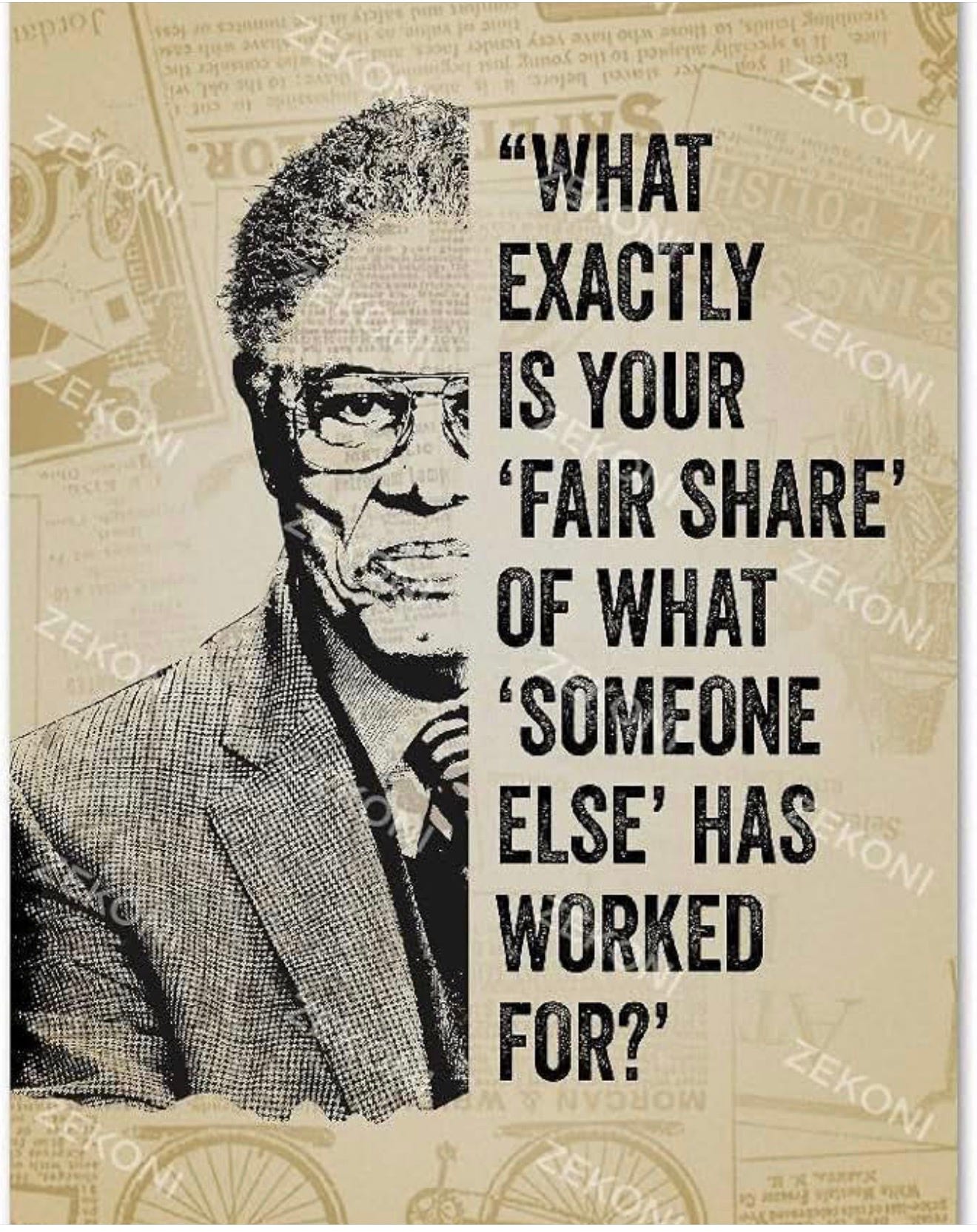
There’s a quote often attributed to Thomas Sowell: “What is your fair share of what someone else has worked for?” Whether or not one agrees with the sentiment entirely, it’s a question that deserves serious consideration. During this campaign, that question became more concrete for me as I watched political leaders advocate for a $1.8 billion tax credit package for Hollywood studios, framed as an investment in job creation and economic diversification. On the surface, it’s an appealing argument. Everyone wants more jobs. Everyone wants a stronger, more resilient economy.
But beneath that promise lies a set of trade-offs that are often left unexamined. The funding for those incentives does not materialize out of thin air. It comes from taxpayers, working Nevadans, over the course of a decade, while the benefits are delivered upfront to private corporations in the form of transferable tax credits. That imbalance raised serious concerns for me. It is not that I oppose growth or investment, but rather that I believe we have a responsibility to weigh both the benefits and the costs honestly.
That tension became even more apparent during a debate where the head of a Police Union argued that residents would be willing to contribute a little more in taxes to support law enforcement. It is a reasonable claim, and perhaps even a true one. But in the same conversation, there was also talk of budget shortfalls alongside proposals for new capital projects, including a large recreation center. The contradiction was difficult to ignore.
To me, it felt like a kind of shell game, an ongoing cycle where we are told there is not enough money to meet existing needs, while at the same time being presented with new initiatives that require even more funding. At some point, it becomes necessary to step back and ask whether the issue is truly about scarcity, or whether it is about access to taxpayer resources. That is not a cynical view. It is a practical one. Governments will always find reasons to spend more. The real challenge lies in exercising restraint.
Taking that position comes with consequences. Running as a “no new taxes” candidate, and earning the Citizens Outreach, Chuck Muth endorsement, often means standing outside the support structures that dominate local politics. Many well-funded and influential groups have a vested interest in maintaining or expanding the current system, and opposing that system can limit your access to endorsements, funding, and institutional backing. That is simply the reality of it.
At the same time, I understand why many of these proposals resonate with people. More funding for police, better resources for teachers, new developments and infrastructure projects are not inherently unreasonable goals. They are rooted in real needs and genuine concerns. But good intentions do not eliminate the need for fiscal discipline. If anything, they make it more important. Every dollar allocated by the government originates from someone’s labor, someone’s risk, someone’s effort to build a life and provide for their family. That reality should guide how carefully those resources are managed especially when affordability is a top issue.
At my core, I do not see myself as a politician. My work has been in writing, speaking, and running for profit insurance companies and nonprofits focused on helping people get clean and sober and rebuild their lives. My involvement in politics is not driven by a desire for power, but by a desire to better understand and contribute to the systems that shape our communities. Learn more about where I stand at www.daveforvegas.com.